Historic Landmark Nominations
Every building, monument, and streetscape in La Crosse carries a piece of the city's story. Preservation is how we make sure those stories aren't lost. When a structure is torn down, the architectural style, the construction methods, the events, and the people connected to it disappear along with it - permanently. Nomination and designation are the tools our community uses to identify which places matter most and to give them a lasting layer of protection.
Heritage preservation is not about freezing La Crosse in time or standing in the way of progress. It's about guiding growth so that new development respects the character, craftsmanship, and history already woven into our neighborhoods. Historic buildings can be (and routinely are) updated, retrofitted, and adaptively reused. Preservation simply ensures that the qualities that make a place significant are considered and protected along the way.
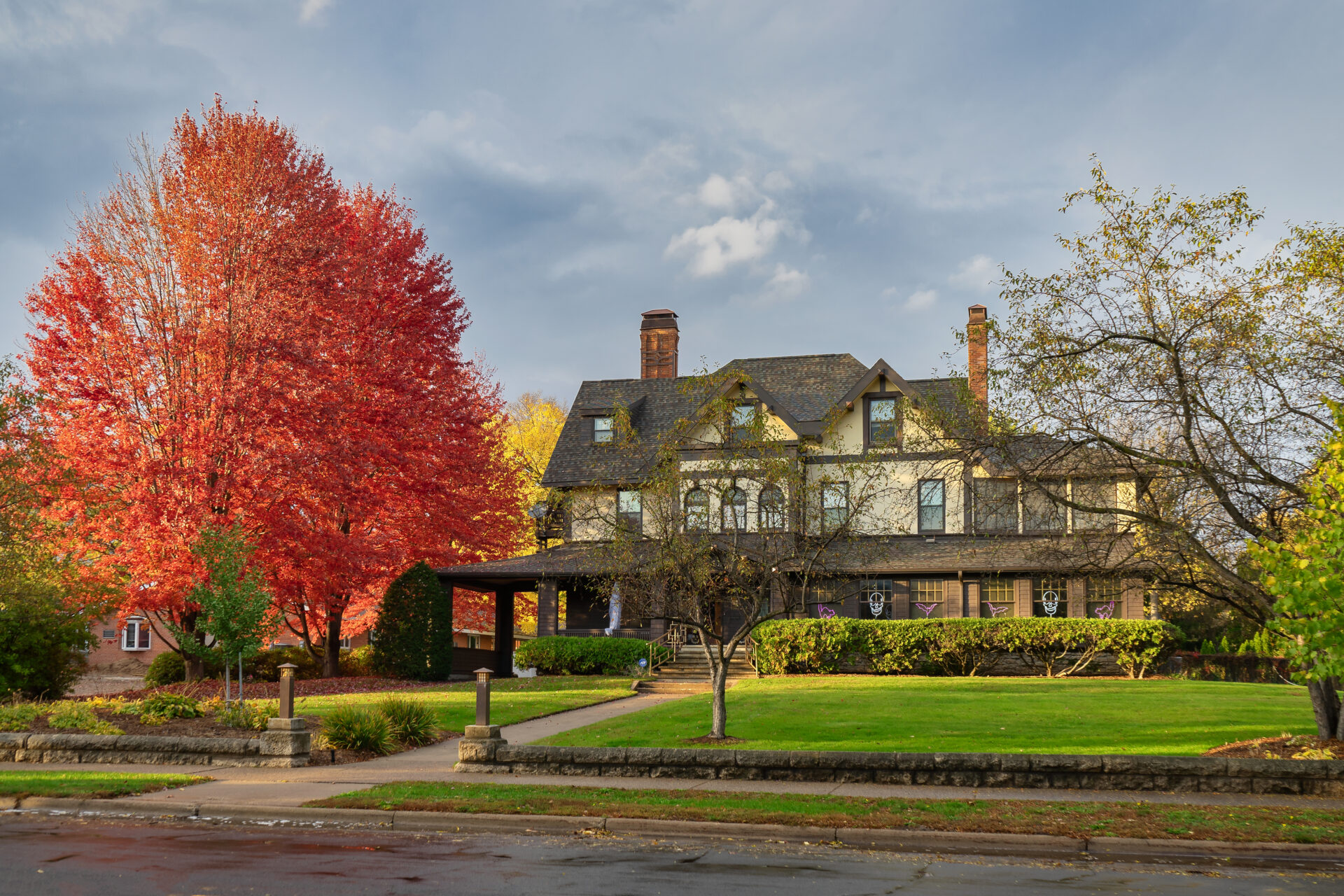
Here's why the Preservation Alliance believes this work is worth the effort:
- It safeguards our identity. Historic buildings and districts are living records of La Crosse's cultural, social, economic, and architectural history. Ornate facades, distinctive building types, and intact streetscapes give our city a character that can't be recreated once it's gone. They're a source of civic pride and a throughline connecting current residents to the generations who came before them.
- It's a sound economic strategy. Historic sites draw visitors and support local jobs in tourism, hospitality, and retail - not just during a restoration project, but for as long as the building continues to be used and maintained. Reusing an existing structure is also frequently cheaper than demolishing it and starting over, since it avoids demolition costs and preserves materials and craftsmanship that would be expensive, or impossible, to replicate today.
- It's genuinely sustainable. Retrofitting and repurposing an existing building (sometimes called "adaptive reuse") keeps materials out of landfills and avoids the environmental cost of new construction. Old factories becoming event spaces, former train depots becoming restaurants, mills becoming retail centers: adaptive use is preservation's version of recycling, applied at the scale of an entire building.
- It educates. Designated properties become teaching tools. They help residents and visitors understand how the city was built, who built it, and why - and they cultivate an appreciation for architecture, craftsmanship, and local history that a plaque or a placard simply can't convey on its own.
It doesn't mean everything gets saved. Age alone isn't a qualifying factor. Designation is reserved for properties and districts that meet specific criteria demonstrating a real connection to La Crosse's history, architecture, or culture - which is exactly what the nomination process is designed to establish.
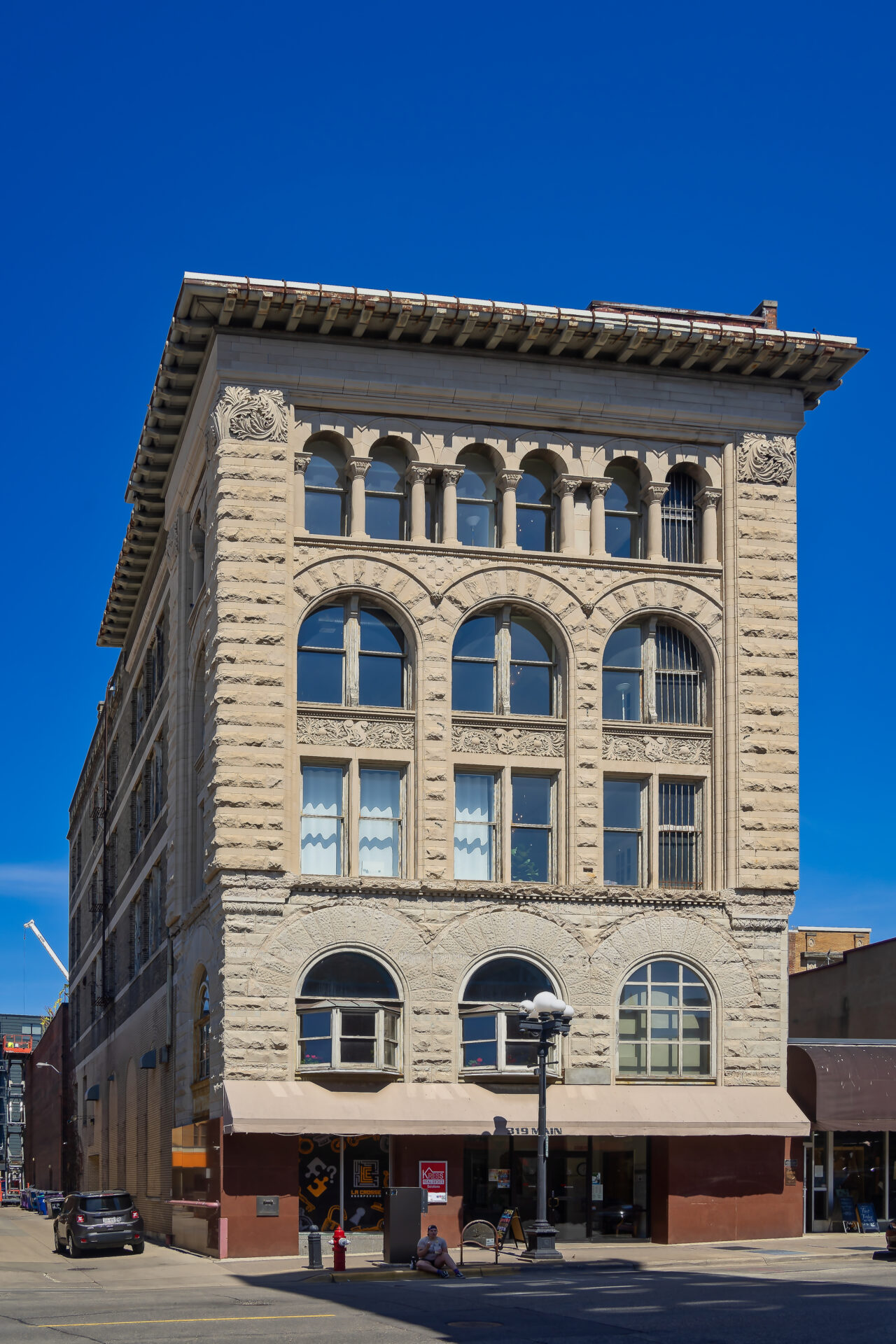
Who Can Nominate a Property?
Nomination isn't limited to property owners. Under Chapter 20 of the City's Municipal Code of Ordinances, any interested party may prepare and submit a nomination for a landmark or landmark district. It is the nominator's responsibility to research the property and assemble the evidence needed to support the nomination.
What Designation Means
Once a property is designated as a local historic landmark or included in a landmark district, exterior changes that require a building permit (and any proposed demolition) must go through review by the Heritage Preservation Commission. Interior work is not subject to review; owners retain full control over the inside of their buildings.
Designation is not a barrier to modernization. The Commission regularly works with owners on projects like energy-efficient window replacement, ADA accessibility improvements, and other upgrades, so long as the work maintains the property's historic appearance. The goal is to keep historic buildings safe, functional, and in active use.
The Nomination Process
- Prepare the nomination. The nominator completes the City's Historic Landmark Nomination Form and assembles a supporting Historic Overview/Analysis, which should include:
-
- An existing physical description of the property — architectural style, materials, construction methods, layout, and any alterations over time.
- A narrative history of the property, including the year it was built, its architectural style, the architect or builder (if known), and its importance to the community over time.
Additional supporting information relevant to the criteria being claimed. - A bibliography of all sources consulted, with copies of major supporting documents (historic maps, period texts, photographs) attached.
Current exterior photographs are required, and historic photographs should be included when available. Every photograph must be labeled with the property's street address and the month and year it was taken.
-
- Completeness review. The Heritage Preservation Commission first reviews the nomination to determine whether it provides sufficient evidence to support the claimed criteria. At this stage, the Commission may find the application complete, request additional information, or decline to proceed.
- Public hearing. Once the Commission finds the nomination complete, a public hearing is scheduled with formal public notice. This gives residents, neighbors, and other interested parties the opportunity to speak in support of or in opposition to the nomination before the Commission makes its designation decision.
- Designation. If the Commission determines the property meets one or more of the four criteria, it is designated as a local historic landmark or landmark district.
The Nomination Criteria
To be designated, a property or district needs to meet at least one of four criteria established in Chapter 20 of the City of La Crosse Municipal Code:
- Association with history: it's connected to events or people who made a significant contribution to the history, heritage, or culture of La Crosse, Wisconsin, or the United States.
- Architectural distinction: it embodies the distinguishing characteristics of an architectural type or style, valuable for understanding a particular period, method of construction, or craftsmanship.
- Notable design work: it represents the work of a master builder, designer, or architect whose work is significant to the development of La Crosse, the state, or the nation.
- Broader cultural significance: it exemplifies or reflects the broader cultural, political, economic, or social history of the city, state, or nation.
A strong nomination doesn't need to check every box - it needs to make a thorough, well-documented case for at least one.
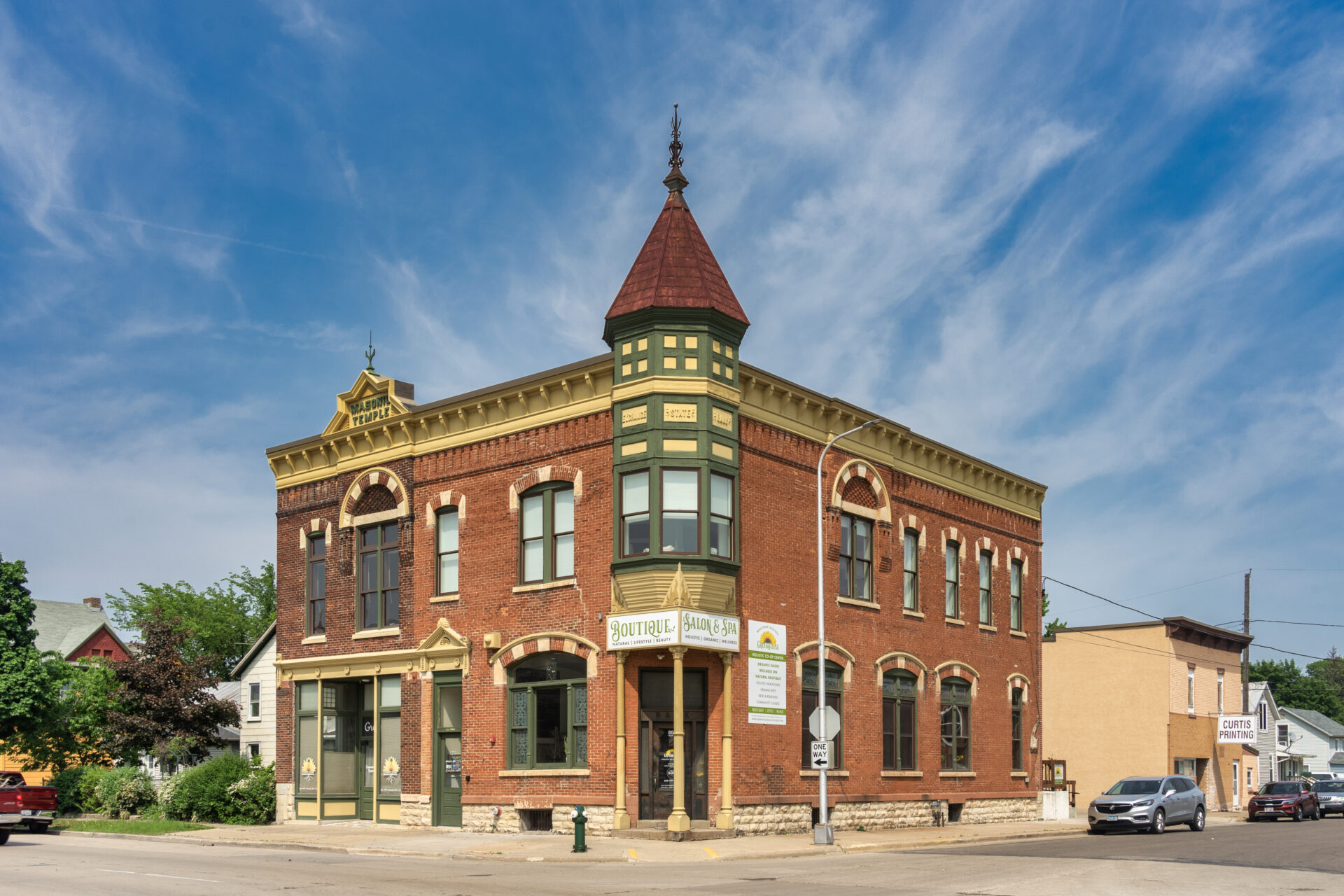
How the Preservation Alliance Can Help
Building a nomination that meets the City's evidentiary standard takes real research: property records, architectural analysis, historic photographs, and a documented narrative tied to one of the four statutory criteria. This is where the Preservation Alliance focuses much of its energy — helping community members research, prepare, and, when necessary, defend nominations before the Commission and the Council.
If you believe a La Crosse building, site, or district deserves this kind of protection, contact the Preservation Alliance to learn how we can help you get started.